

Digital marketing website design strategies for growth: build conversion-focused, SEO-ready sites that generate leads
A marketing-ready website is more than a pretty layout — it’s a purpose-built platform that pairs strategic design, clear user experience, and technical SEO to turn visitors into measurable leads. This guide walks through the practical strategies—UX, mobile-first responsive templates, on-page SEO, landing-page architecture, and AI-powered features—that move conversion rates and organic visibility. Too often design choices are aesthetic but disconnected from acquisition goals; when design is aligned with conversion rate optimization and search intent, the gap closes. You’ll get why design matters for marketing outcomes, actionable SEO-friendly design practices, how sites should support paid, social, and email channels, plus advanced CRO and AI tactics to scale lead generation. Each section includes checklists, implementation tables, and channel mappings so teams can apply these tactics and measure real improvements.
Why is website design critical to digital marketing performance?
Design matters because it builds trust, makes content discoverable, and smooths user journeys — all of which directly affect conversions. When visual hierarchy and technical structure work together, both search engines and people find and act on your content faster, producing measurable lead growth. Thoughtful design reduces friction in conversion funnels and amplifies paid and organic spend. The next section breaks down the specific UX elements that shape visitor behavior and lift engagement.
How does user experience increase conversions and engagement?

User experience drives conversions by clarifying intent, lowering cognitive load, and directing visitors along predictable paths to convert. Clear navigation, prominent CTAs, tight microcopy, and trust signals (testimonials, badges, credentials) boost engagement and completion rates. Convert these elements into a practical checklist to form testable hypotheses for A/B experiments and steady improvements. Understanding these UX mechanics also prepares teams to design for mobile behavior and responsive layouts, which we cover next.
A user-first design approach is the foundation for guiding visitors and hitting conversion targets.
User-friendly design that converts
A user-friendly site connects people quickly to the information or action they came for. That starts in research and planning: put the target user at the center, map their needs and constraints, then design flows that remove friction and deliver delight. Sites built this way retain attention and convert more efficiently than those focused on aesthetics alone.
How to Design a User-Friendly Website that Converts?, 2023
- Key UX elements that influence conversion:Primary CTA visible above the fold and aligned with visitor intent.Simplified navigation and content hierarchy that reduce decision friction.Trust signals and contextual micro-interactions that reassure users.
This UX checklist flows directly into mobile-first choices to keep conversion consistent on small screens.
What role does mobile-first and responsive design play in marketing?
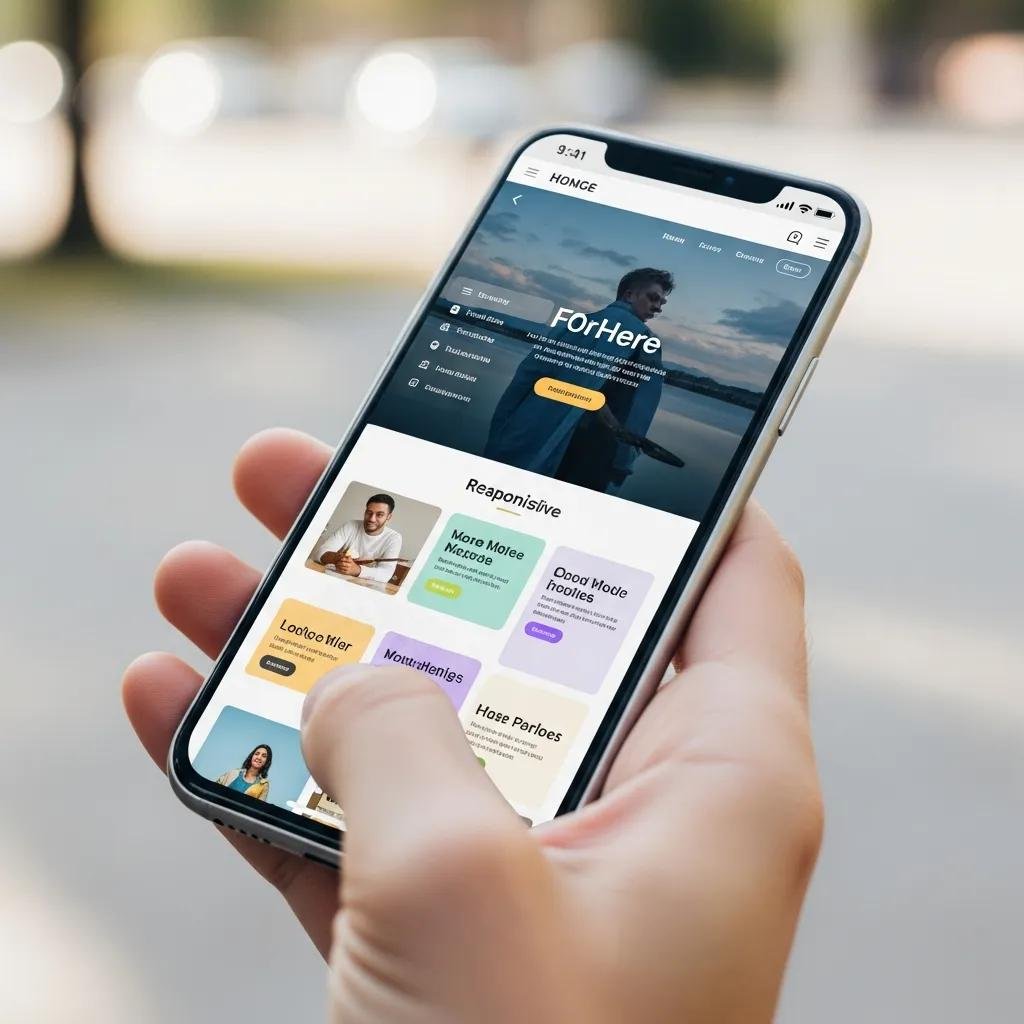
Mobile-first and responsive design make sure content, CTAs, and forms adapt so mobile visitors can convert without friction. Because search engines index the mobile version first, the mobile experience also drives discoverability — so use touch-friendly buttons, streamlined navigation, and content prioritization. Performance work (image optimization, critical CSS, lazy-loading) lowers load times and improves Core Web Vitals, which helps both SEO and conversions. These mobile practices are the foundation for the technical SEO tactics we describe next.
Prioritizing the mobile experience has a direct effect on indexing and conversion outcomes.
Mobile-first indexing and conversion impact
Search engines now prioritize the mobile version of pages when indexing. That makes mobile UX a core determinant of session quality and, ultimately, conversion. Marketers who design for mobile-first behavior improve both visibility and business results.
Redefining Mobile Marketing through Conversion Rate Optimisation, 2020
What are the best practices for SEO-friendly website design?
SEO-friendly design balances performance, clear on-page semantics, and navigational logic so sites are easier to crawl and more relevant for target queries. Structure your site so important pages are a few clicks away, use meaningful URLs and header hierarchies, and add schema where it clarifies entities and relationships. Below is a compact checklist to make design decisions that support search and users.
Follow this action checklist to make a site SEO-friendly:
- Audit architecture: Make primary pages reachable within three clicks and organize content into logical silos that match user intent.
- Optimize performance: Focus on LCP improvements and lazy-load non-critical assets.
- Implement on-page SEO: Use descriptive titles, clear headers, and concise meta descriptions with intent-driven keywords.
- Add structured data: Apply Service, FAQ, and Article schema where relevant to aid semantic indexing.
These steps lead naturally into technical work such as Core Web Vitals optimization described below.
Quick comparison of key on-page elements and recommended practice:
Properly applied schema can meaningfully increase search visibility and click-through rates when it reflects page content accurately.
Schema markup to improve rankings and CTR
Schema is optional code that explains a page’s purpose to search engines. When added correctly it can improve rankings and increase click-through rates, but incorrect schema can be ignored or cause errors — so implement it carefully and honestly.
Schema and structured data markup, 2023
For teams looking for an SEO-aware design partner, Bloom Design ME offers a structured approach that combines website design and SEO to align design with customer acquisition goals. Our Visibility Boost Blueprint uses conversion-focused templates, semantic site architecture, and measurable onboarding signals designed to multiply client acquisition. We emphasize results — from boosting customers in as little as 30 days to a selective intake process that accepts only two new clients per week. We also provide a free Visibility Health Audit — a personalized video audit valued at $367 — for site owners who want a focused review of technical and conversion issues. This audit is a practical next step for teams that need an external check before a redesign.
How can website design integrate with digital marketing channels?
Design should be channel-aware so pages support the behavior and measurement needs of SEO, paid ads, social, and email. Mapping channels to design requirements clarifies what each marketing channel needs from landing pages, content, and tracking to maximize attribution and conversions. The bullets below summarize the core integration patterns.
- Channel-specific design considerations:Paid Ads: single-goal landing pages with minimal navigation and fast load.Social: shareable content, Open Graph images, and low-friction entry points.Email: gated content with easy signup flows and clear next steps.
These patterns feed directly into landing-page anatomy and email capture flows, which the next section covers in detail.
Channel-to-design mapping (intro):
How to design landing pages that maximize paid advertising results?
Paid-traffic landing pages should have one clear conversion goal, copy that matches the ad creative, and no distractions. Fast load, above-the-fold clarity, social proof, and a single primary CTA raise conversion chances and improve ROI. Testable variables include headline-ad congruence, CTA wording, hero media (image vs. video), and form length — run simple A/B tests to validate what works. The next section explains how social and email integrations extend landing-page value across channels.
What are effective strategies for social and email integration?
Design for social and email reduces friction for sharing and signups while making sure previews and landing experiences match expectations. Use Open Graph tags, strong preview images, and short, readable headlines for social. For email capture, rely on minimal-step gated content, contextual CTAs in articles, and tight CRM integration for fast follow-up. Proper tagging and analytics ensure attribution and support continuous improvement across channels.
What advanced website design strategies accelerate business growth?
Advanced strategies combine CRO programs, personalization, AI-driven features, and analytics-led redesigns to drive growth after launch. CRO uses hypothesis-driven testing to increase lead yield, while personalization and automated reception improve qualification and response times. Data-driven redesigns prioritize metrics that matter — leads, LTV, and acquisition cost — and iterate the design to optimize those outcomes. The tables below outline CRO workflows and AI use cases that boost lead capture.
This comparison ties advanced features directly to measurable outcomes and helps prioritize implementation.
How does conversion rate optimization improve lead generation?
CRO raises lead volume by following a disciplined cycle: form a hypothesis, run controlled tests, measure results, and iterate on winners. Common hypotheses focus on CTA copy, form length, hero imagery, and page layout. Experimentation and analytics give the evidence to scale winning patterns sitewide. Track clear metrics — conversion rate, leads per visitor, and lead quality — to prioritize tests that move business KPIs.
How can AI features improve the customer experience on websites?
AI features — like an AI receptionist, real-time personalization, and content recommendation modules — increase engagement and lead capture by matching user intent to relevant next steps. An AI receptionist can qualify visitors immediately, route high-value leads, and trigger CRM workflows for faster follow-up. Personalization adjusts hero content and CTAs based on behavior to raise relevance and conversions. Implementations should include CRM syncing and privacy-compliant data handling to protect quality and measurement.
- AI Receptionist: Qualifies and routes leads instantly to reduce drop-off.
- Personalization: Adapts on-page content to visitor intent and boost relevance.
- Content Suggestions: Keeps visitors engaged by recommending next pages and resources.
Each AI tactic supports a continuous improvement loop where testing and analytics refine performance over time.
Frequently asked questions
What are the key elements of a conversion-focused website design?
A conversion-focused site centers on a single, clear primary CTA that matches user intent, simplified navigation to reduce decision fatigue, and trust signals like testimonials or security badges. It also prioritizes mobile responsiveness and fast load speeds. Together, these elements guide visitors smoothly to the desired action and improve lead generation.
How can I measure the effectiveness of my website design?
Measure effectiveness with analytics: track conversion rate, bounce rate, and average session duration. Run A/B tests on CTAs, headlines, and layouts to learn what moves the needle. Supplement quantitative data with user feedback from surveys and usability testing. Regular reviews of these metrics enable focused, data-driven improvements.
What role does content play in website design for digital marketing?
Content informs, engages, and converts. Well-structured content aligned with user intent improves SEO and helps search engines index your pages. High-quality content also builds authority and trust, encouraging visitors to take action. Place content strategically with compelling headlines, visuals, and contextual CTAs to increase engagement and conversions.
How does website speed impact user experience and conversions?
Speed is critical: slow pages increase bounce and reduce conversions — even a one-second delay can matter. Optimize images, use browser caching, and minimize code to improve load times. Faster sites boost user satisfaction and can positively affect SEO, making speed a top priority for marketing-focused design.
What are the benefits of using AI in website design?
AI brings better personalization, faster lead qualification, and improved engagement. Tools like chatbots and virtual receptionists can qualify leads instantly and accelerate follow-up. AI can also tailor content and CTAs to individual visitors, increasing relevance and conversion rates. Used responsibly, AI makes sites more responsive and effective.
How can I ensure my website is mobile-friendly?
Use responsive design so layouts adapt to different screens. Prioritize touch-friendly navigation with larger buttons and simplified menus, and optimize images and code to keep load times low. Test across devices and use tools like Google’s Mobile-Friendly Test to identify issues and confirm compatibility.